Building Evacuation Procedures and Evacuation Schemes
Keeping People Safe
Keeping People Safe
Under the Fire and Emergency New Zealand (Fire Safety, Evacuation Procedures, and Evacuation Schemes) Regulations 2018, two types of evacuation plans are required for buildings:
Most buildings used by the public MUST have an evacuation procedure in place.
A full list of buildings that require an evacuation procedure can be found in the
Fire and Emergency New Zealand (Fire Safety, Evacuation Procedures, and Evacuation Schemes) Regulations 2018 (LI 2018/96) (as at 20 April 2023) – New Zealand Legislation.
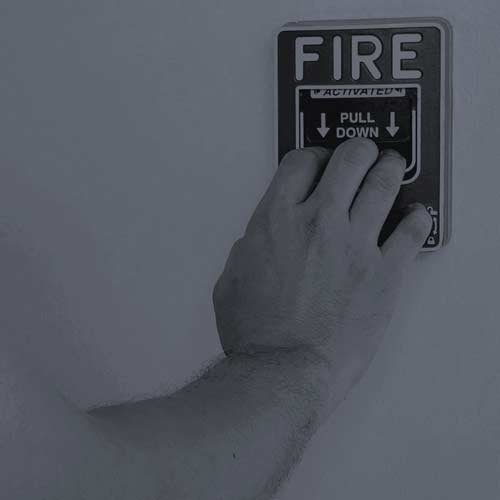
An evacuation procedure outlines how building occupants will safely evacuate during a fire or fire alarm.
Buildings classified as Relevant Buildings must also have an approved evacuation scheme.

A Relevant building as defined by the Fire and Emergency New Zealand Act 2017 No 17 (as at 01 July 2024), Public Act 75 Relevant building defined for purposes of sections 76 to 79 – New Zealand Legislation - for the legislation please click here.
The owners of Buildings not required to provide or maintain an evacuation scheme are detailed by the Fire and Emergency New Zealand Act 2017 No 17 (as at 01 July 2024), Public Act – New Zealand Legislation. Click here.
Even if exempt, evacuation procedures MUST still be in place.
An evacuation scheme is a more comprehensive plan, submitted to Fire and Emergency NZ for approval.
It must include:
Building owners are legally responsible for taking fire safety precautions in their buildings. This includes implementing fire evacuation procedures to ensure people can be evacuated in the case of a fire or alarm of a fire.
We can support you with:
If you're looking for an Emergency Response Plan (ERP) for hazardous substances, please click here.
Pricing depends on building size, occupancy, location, and plan complexity. Here's an indication:
| Type of Plan | Estimated Price Range (+GST) |
|---|---|
| Initial Enquiry | $0 |
| Small workplace, or accommodation plan | $500–$1,000 |
| Medium (school, marāe, medium business) plan | $1,000–$2,500 |
| Large Complex (community, ERP, industrial, hazardous substances) | $2,500 + |
| Misc, evacuations signs, warden identification, travel, etc | Itemised in quote |
| Maintaining your scheme (trial evacuations or staff training) | Hourly rate |